Why Do We Keep Playing Fantasy Football?
BlitzWit ·
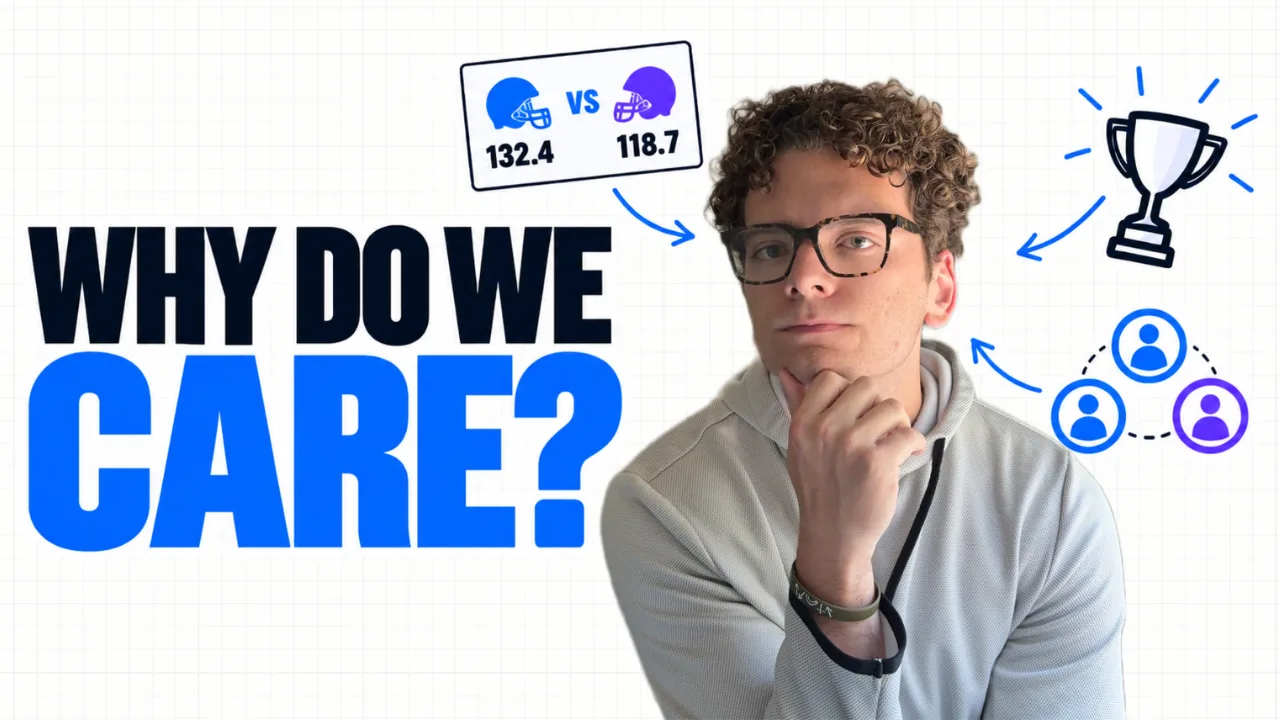
I've been in the same fantasy football league for 12 years.
Same hometown. Mostly the same people. Some of these guys, I only see once a year now.
And yet, every year, everybody comes back.
So I wanted to know: why do we keep playing fantasy football?
The research kept pointing to three reasons:
- Fantasy makes football more personal.
- It gives us something to compete over.
- It gives us a reason to stay connected.
Fantasy Makes Football Personal
A random NFL game can feel meaningless.
Add one of your fantasy players?
Now every target matters.
That shift from watching to participating seems to be a huge part of the appeal. According to the MRI-Simmons July 2023 Sports Fan Study, 38% of fantasy football participants said fantasy makes the game or season more exciting, while 25% said it makes them feel more involved with the game and its athletes.
The same study found that 85% said fantasy sports help them learn more about the game.
That makes sense. Once you play fantasy, you start caring about targets, snap percentages, injuries, depth charts, backups, and players you otherwise might never notice.
You learn football because knowing more can help you win.
And over a season, those players start to become your guys.
When the player does well, you do well.
That's how another fantasy player explained it to me while I was researching this piece.
Fantasy turns us from spectators into participants.
Not literally. We're still sitting on the couch.
But what happens on the field suddenly matters to us.
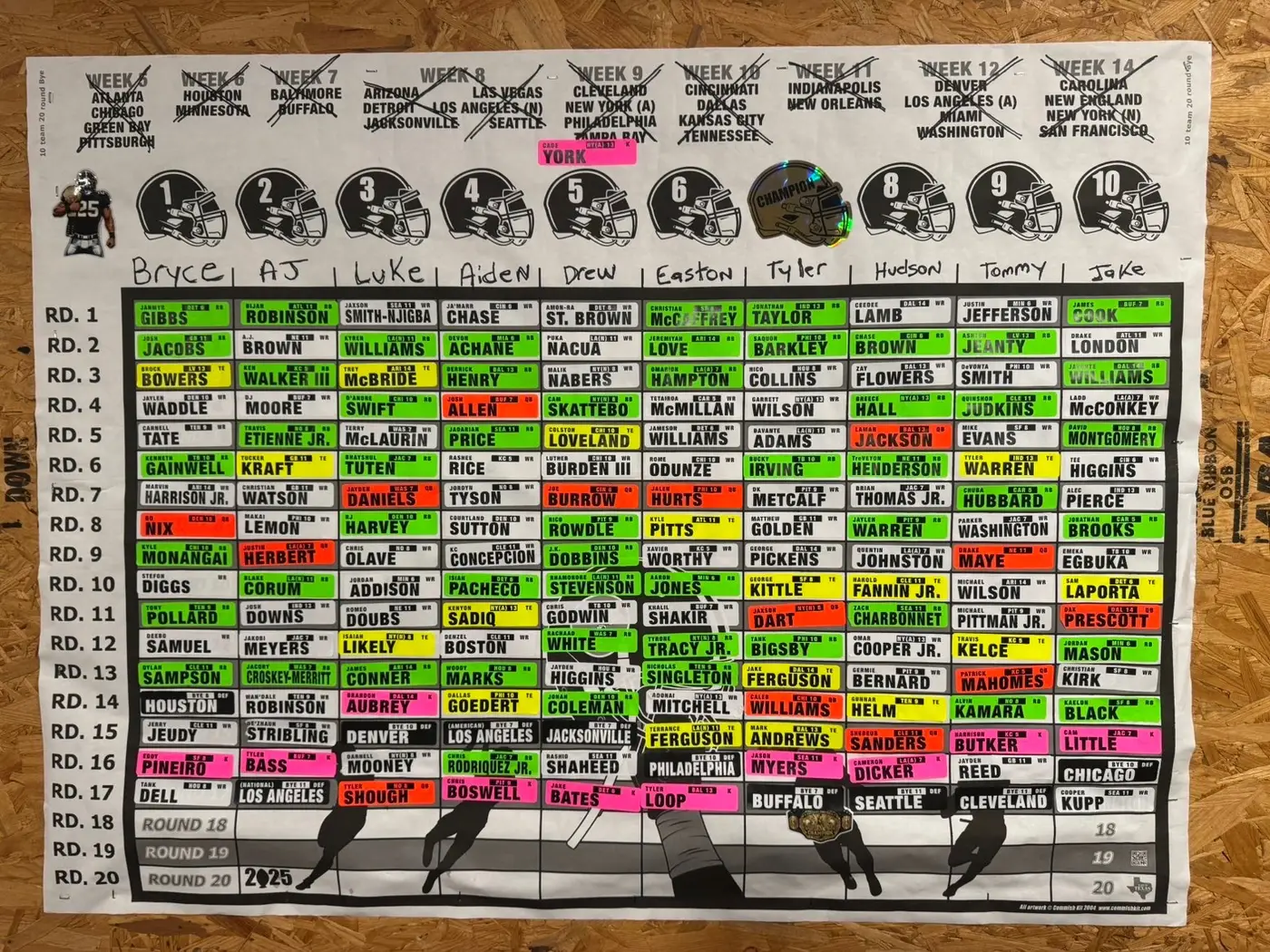
Fantasy Gives Us Something to Compete Over
Winning against a random person online is fine.
Beating the friend who has been talking about how good his team is for three months?
Way better.
MRI-Simmons found that 37% of fantasy football participants said they love the competition involved, while only 30% said they play for the money.
That difference matters.
Fantasy gives us a scoreboard for comparing ourselves to people we actually know.
A 2023 review by Avishalom Tor and Stephen M. Garcia, The neuroscience of social comparison and competition, explains that social comparison helps people evaluate relative position, ability, and outcomes.
Fantasy gives us that comparison every week.
My team against yours.
My draft against yours.
The trade you said was terrible.
The player you passed on who just scored 30.
Then there are punishments.
A team can be completely out of championship contention and still care deeply about avoiding last place.
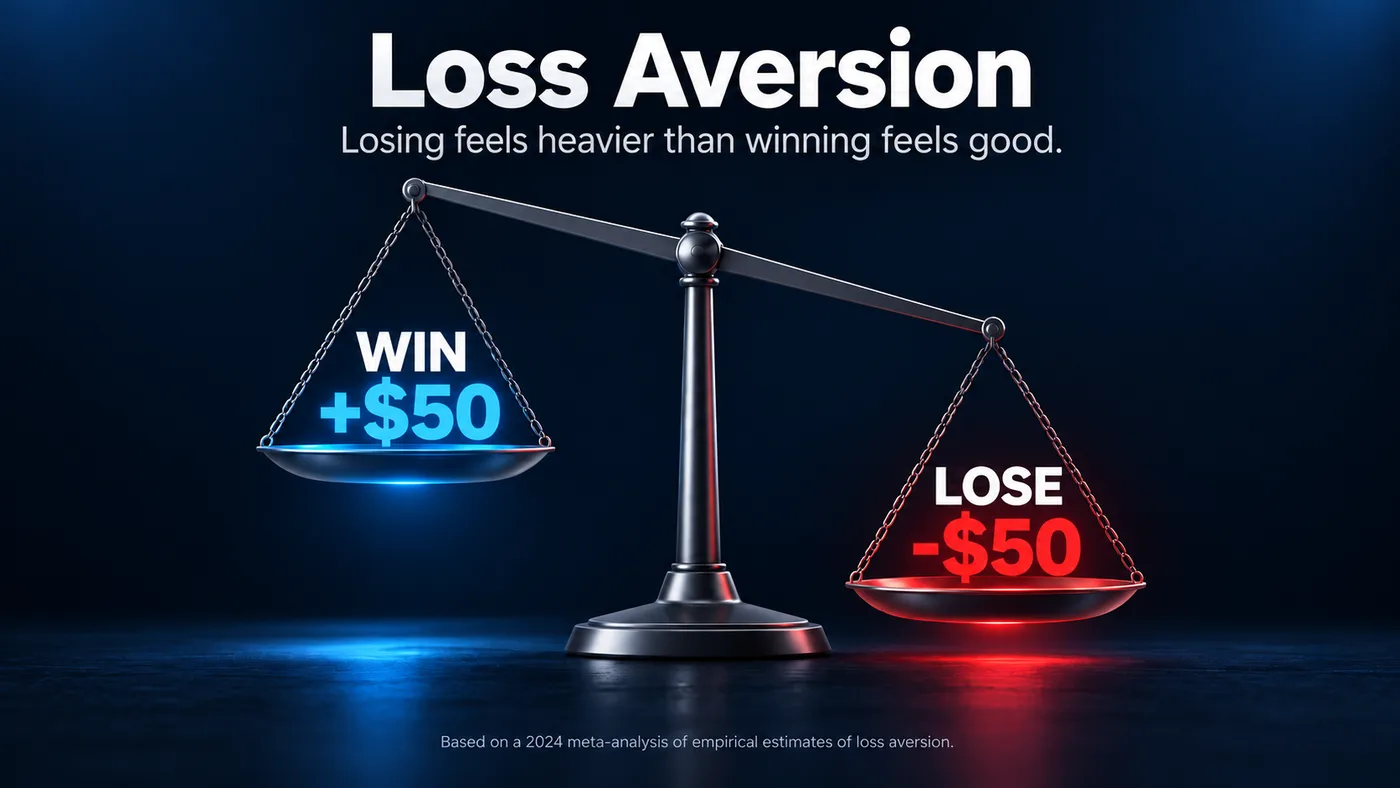
A 2024 meta-analysis in the Journal of Economic Literature examined 607 estimates of loss aversion from 150 articles. In the authors' preferred model, the mean estimated loss-aversion coefficient was 1.955.
That does not mean a fantasy loss always hurts twice as much as a win feels good.
But it does suggest that avoiding a bad outcome can carry serious psychological weight.
So if finishing last means an embarrassing punishment, your 3-9 team might suddenly care a lot about Week 14.
Fantasy Keeps Us Connected
This is the part that hit closest to home.
When our league started, we were kids.
We played tackle football in the street, drafted teams we barely understood, ate pizza, and hung out.
Then everyone got older.
School changed. College happened. People got jobs. Everyone got busier.
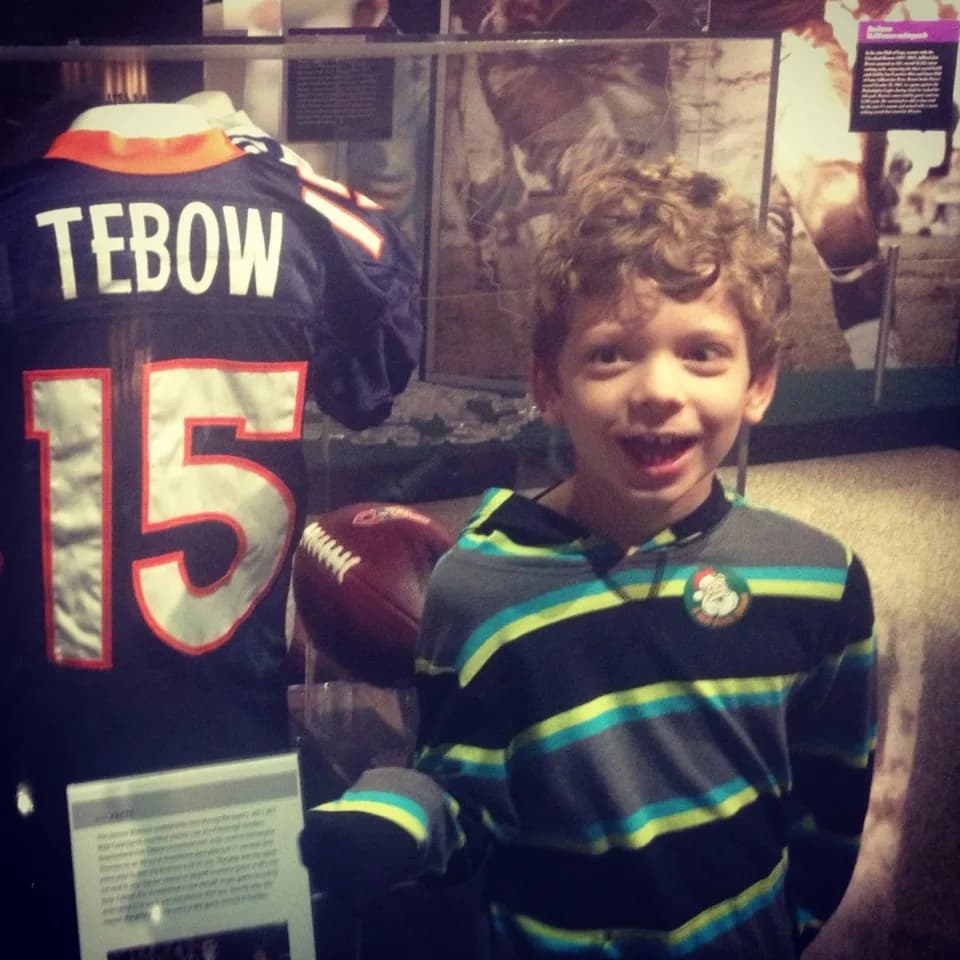
There are people in that league who I barely see throughout the year now.
But everybody still comes back for the draft.
And somehow, when we're all together again, it feels normal.
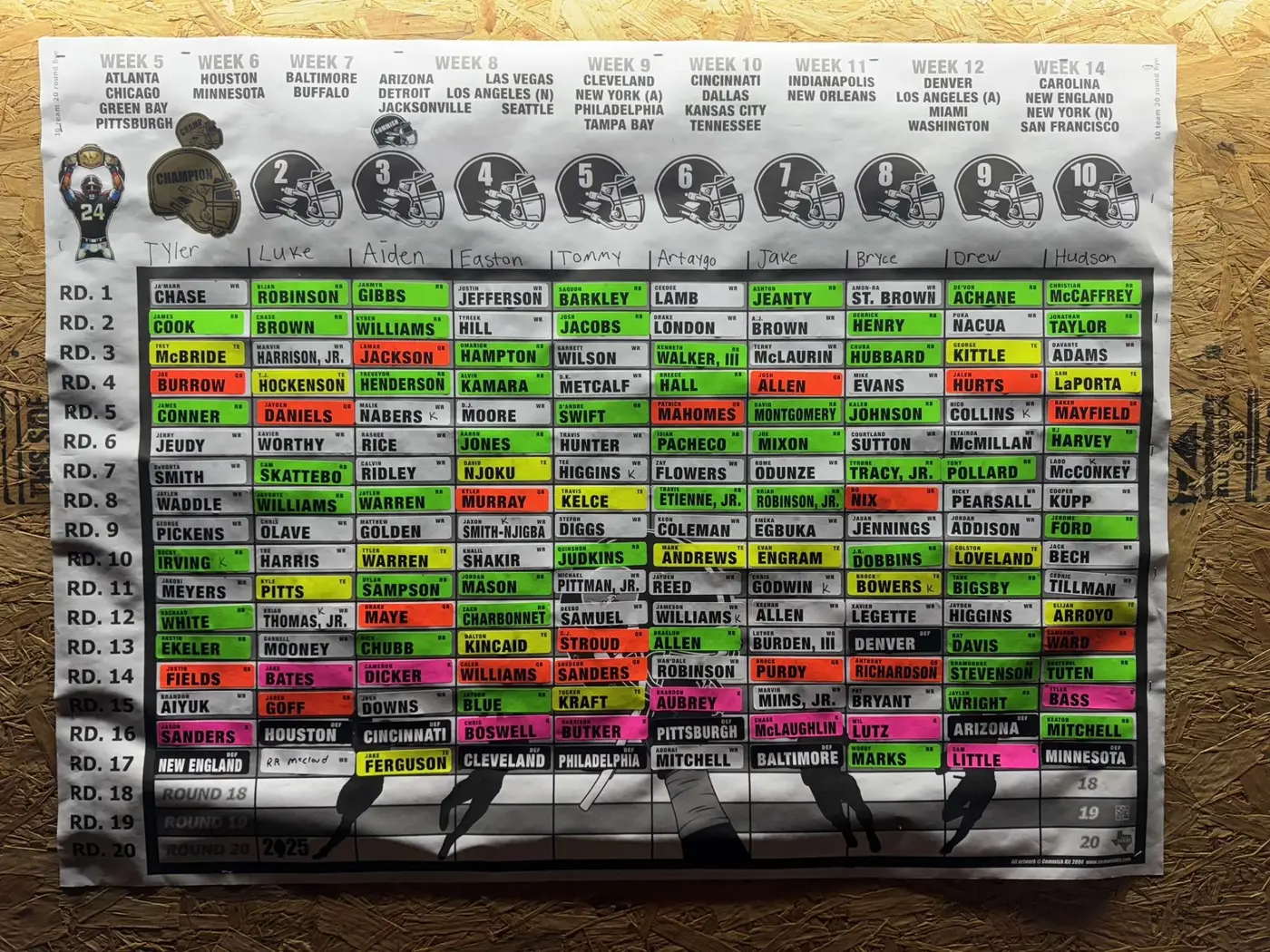
That lines up closely with Yahoo's 2024 survey of 1,000 fantasy football players.
Among people playing with friends and acquaintances, 83% said fantasy football helps them keep in touch with friends they otherwise wouldn't see, while more than 50% said they probably would not remain friends with some people in their league without fantasy football.
Yahoo also found that 81% said fantasy football helps them maintain friendships with people who are different from them.
When I read that, I immediately thought:
That's basically my league.
Fantasy gives people a recurring reason to talk.
The draft.
The group chat.
The terrible trade offer.
The half-point loss.
The punishment.
Then eventually, everyone comes back and does it again.
A 2021 PLOS ONE study, United on Sunday: The effects of secular rituals on social bonding and affect, found stronger social bonding after a recurring secular ritual in the setting researchers studied.
That study was not about fantasy football.
But the idea fits surprisingly well.
Maybe the draft, the pizza, the trash talk, and the same jokes every year are not separate reasons we love fantasy.
Maybe they're pieces of the ritual.
So Why Do We Keep Playing?
Fantasy football makes football more personal.
It gives us something to compete over.
And maybe most importantly, it gives us a reason to keep showing up.
When I think about my own league, the craziest part is not that we've played for 12 years.
It's that we're still basically the same kids who started it.
Just bigger versions of our nine-year-old selves.
Different schools. Different jobs. Different lives.
But once a year, everybody walks back into that room and it feels like nothing changed.
Maybe that's why we keep playing.
Not because the fake football team matters that much.
Maybe it's because of everything that comes with it.
And somehow, I still really want to win.
Research & Sources
- Olson, J. (2023, August 16). Why fantasy football fans should be at the top of your activation list. MRI-Simmons.
- Yahoo Inc. (2024, August 26). New survey showcases trends and surprising insights on behavior of fantasy football players nationwide. Yahoo Inc.
- Brown, A. L., Imai, T., Vieider, F. M., & Camerer, C. F. (2024). Meta-analysis of empirical estimates of loss aversion. Journal of Economic Literature, 62(2), 485–516.
- Tor, A., & Garcia, S. M. (2023). The neuroscience of social comparison and competition. Cognitive, Affective, & Behavioral Neuroscience, 23, 920–943.
- Charles, S. J., van Mulukom, V., Brown, J. E., Watts, F., Dunbar, R. I. M., & Farias, M. (2021). United on Sunday: The effects of secular rituals on social bonding and affect. PLOS ONE, 16(1), e0242546.
Watch My Video
Want the full story with the visuals and research? Watch the video below.
FAQ
There probably isn't one reason. MRI-Simmons found that 38% of participants said fantasy makes the game or season more exciting, 37% cited competition, 35% cited connecting with other people, and 30% cited money. The same research found that 85% said fantasy sports help them learn more about the game.
For many players, yes. In Yahoo's 2024 survey, 83% of people who played with friends or acquaintances said fantasy helped them keep in touch with friends they otherwise wouldn't see. More than half said they probably would not remain friends with some people in their league without fantasy football.
Winning is only one part of the experience. Fantasy still creates weekly competition, player rooting interests, traditions, social interaction, and reasons to avoid finishing last. Research on loss aversion offers one possible explanation for why avoiding a bad outcome can remain motivating.